Reading Conditions Before Choosing Your Hunting Setup: A Checklist for Better Decisions
4 min read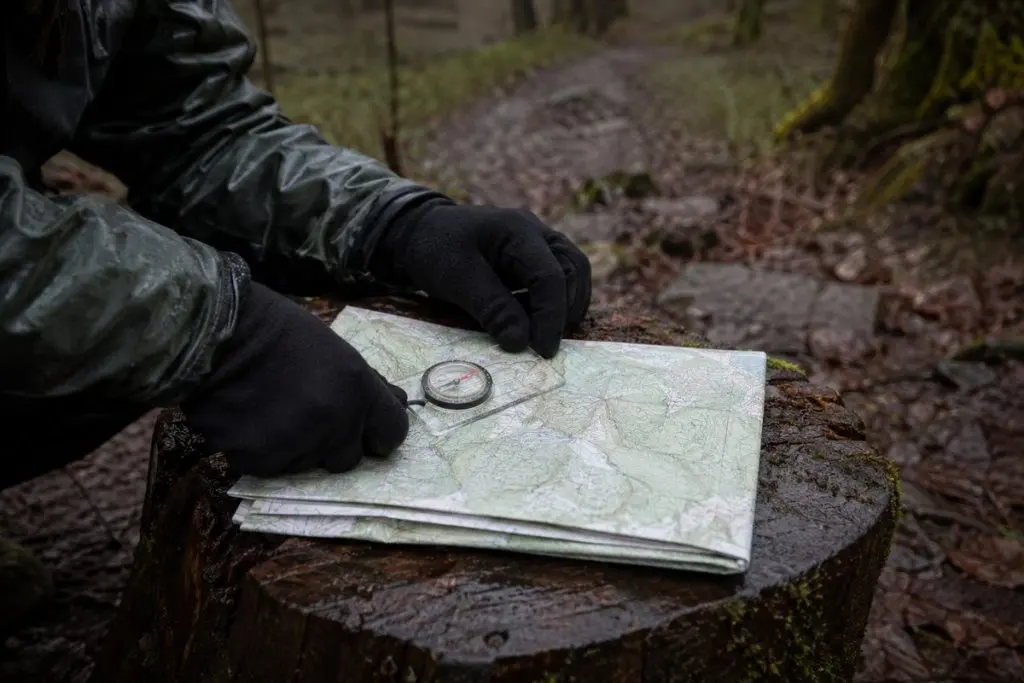
An overlooked part of Michigan hunting preparation is checking the route to your setup after conditions change. A trail that was quiet and dry during scouting can become noisy after rain, blocked by fallen limbs, or exposed by a shifting wind. The goal is not to find one perfect location, but to choose an approach that fits the day's weather, access, visibility, and legal limits. A brief check before leaving can prevent rushed adjustments, unnecessary disturbance, and decisions that compromise hunting ethics.
Start with the access route, not the stand
A promising location loses value if reaching it means crossing bedding cover, pushing through wet vegetation, or using a heavily traveled trail. Study entry and exit separately. An approach that works before daylight may be poor after the hunt, when visibility is lower and animals are moving.
Rain can soften ground and reduce foot noise, but it can also soak clothing and gear, make slopes slick, and complicate the exit. Wind may cover some sound while carrying scent into areas you hoped to leave undisturbed. Inspect narrow crossings, temporary bridges, and routes near water instead of assuming conditions remain unchanged.
Use the least disruptive legal route available, even if that means accepting a less convenient setup or hunting another parcel. Extra walking is not automatically a problem, but repeated disturbance around bedding cover can change the area you are trying to hunt.
Let wind and visibility set the position
Wind direction is a starting filter, not the entire decision. Consider where scent will travel at the setup's height and how terrain, timber edges, openings, and temperature changes may alter the flow. A forecast showing one direction does not guarantee a steady current at ground level.
Visibility matters just as much. A broad view may reveal movement from several directions, but it can leave you silhouetted or require awkward scanning. Dense cover can hide movement while limiting safe identification. Choose a position that provides enough time and space to identify the target clearly and understand what lies beyond it.
For a deer hunting setup, mark likely travel routes, nearby cover, and areas to avoid disturbing. Fresh tracks, rubs, or other sign show use, but do not prove that a location fits the current wind, access plan, or visibility.
Match gear to the actual forecast
Gear should solve a condition, not express optimism. Check temperature, precipitation, wind, daylight, and the planned sit's length. Layers allow adjustment, but excess clothing can restrict movement and create noise. Waterproof footwear may help on saturated ground but become uncomfortable during a long, dry approach.
Pack items that prevent avoidable problems: a charged phone kept secure and dry, a headlamp for legal and safe navigation, quiet rain protection, water, and basic first-aid supplies. If you use a tree stand or elevated platform, inspect it before the hunt and follow the manufacturer's safety directions. Use a suitable fall-restraint system whenever required by the equipment instructions or your safety plan.
Specialized gear cannot replace judgment. A new cover scent, electronic device, or clothing system will not correct a poor access route, an unsafe backstop, or wind carrying disturbance through the area.
Check the law before the trip
Michigan hunting regulations can change by season, species, unit, method, land type, and license category. Confirm current rules through the Michigan Department of Natural Resources and any applicable land manager. Check season dates, legal hours, licensing, tagging or reporting duties, baiting rules, blaze-orange requirements, weapon restrictions, and parcel access conditions.
Do not rely on an old screenshot or advice from another management unit. Regulations and emergency orders can change. Public land may have site-specific restrictions, while private land requires clear permission from the landowner.
Legal compliance is the floor, not the full measure of a responsible hunt. If identification is uncertain, the shot opportunity is unsafe, or conditions have deteriorated, pass. A filled tag is never a reason to accept preventable risk.
Build conservation into the decision
Habitat stewardship begins with how you move through a property. Avoid damaging wet soils when another route is available. Keep vehicles on permitted roads, close gates as found, pack out waste, and leave gates, fences, crops, and boundary markers undisturbed. On shared ground, give other hunters room and avoid claiming a location through intimidation or interference.
Account for recovery before taking a shot. Consider whether you can reach the area without crossing a sensitive wetland, steep bank, active road, or neighboring property. Know the likely direction of travel after the shot and have a realistic plan for tracking and removing the animal legally and respectfully.
Conservation is part of preparation. Sound habitat decisions protect soil, vegetation, access, and future hunting opportunities while reducing the chance that one rushed choice creates a problem for landowners, wildlife, or other users.
Use a short decision check at the trailhead
Before committing to a location, ask:
– Is the entry and exit route safe, legal, and unlikely to disturb key cover?
– Does the current wind keep scent and noise away from the area you intend to hunt?
– Can you identify the target and what lies beyond it in the available light?
– Does your clothing and equipment match the forecast and length of the hunt?
– Have you verified current Michigan regulations for this season, method, unit, and property?
– Can you recover an animal without crossing unsafe ground or trespassing?
– Will the setup avoid unnecessary habitat damage and conflict with other users?
If several answers are uncertain, change the plan before entering. The better choice may be another location, a shorter sit, or no hunt that day. Good preparation does not guarantee success, but it makes the decisions leading to the hunt more deliberate, safer, and easier to defend.